BiomeDB
Facilitating Strategic Decision-Making! Japan's Largest Biodiversity Big Data Platform

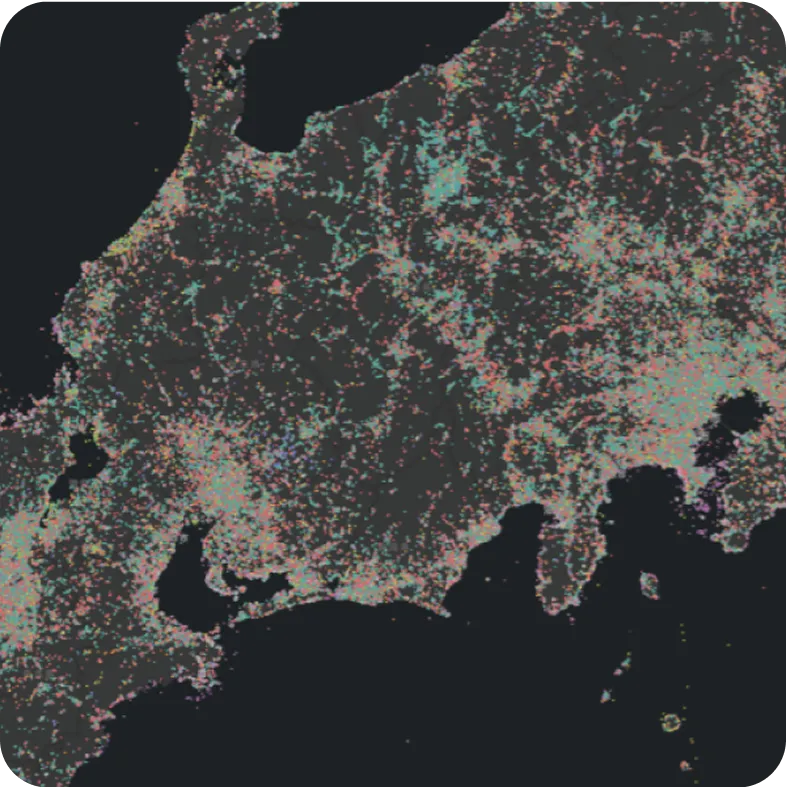
Key Features
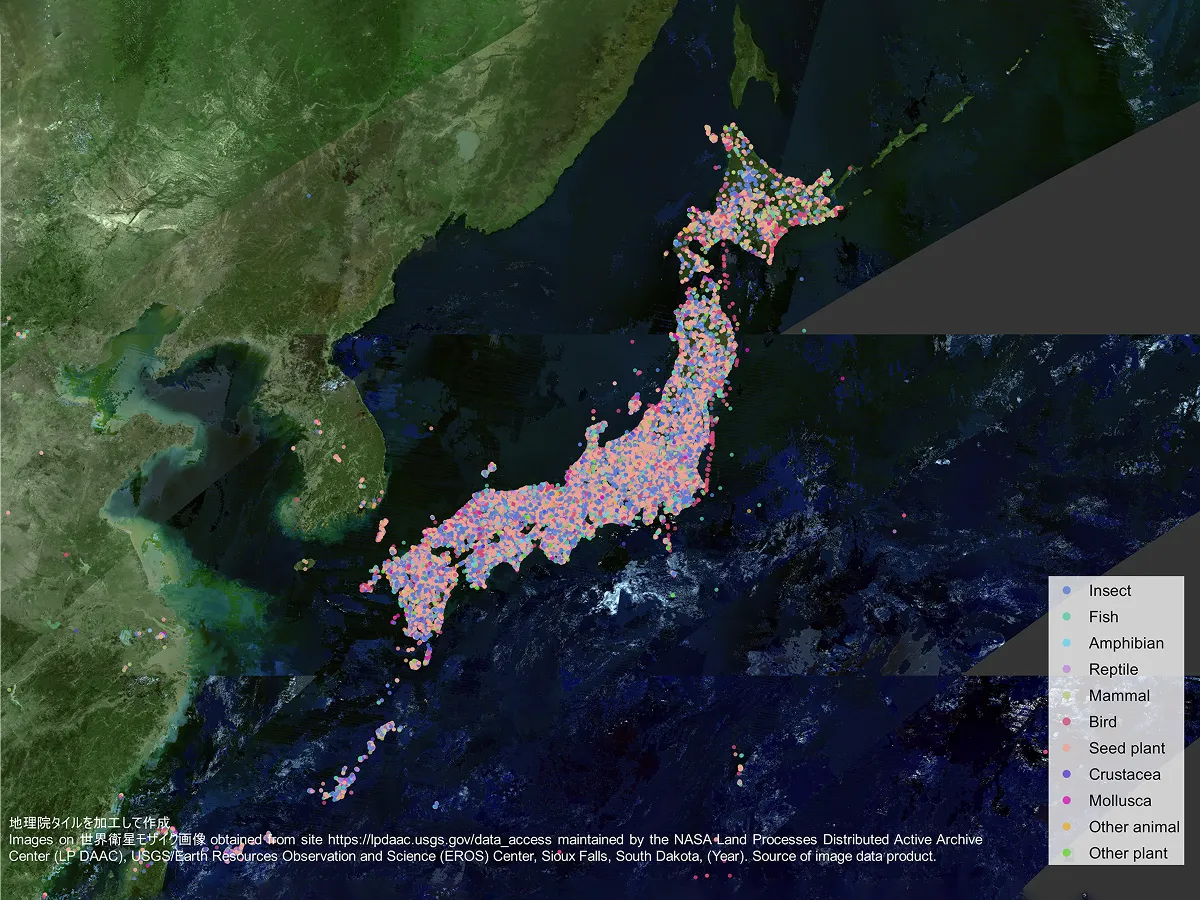
A Highly Reliable, High-Resolution Database Covering Information on Approximately 100,000 Creature Species
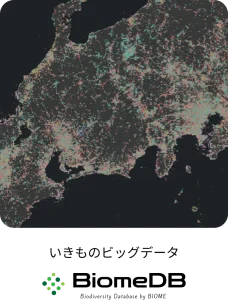
We integrate and manage biological observation data collected nationwide via the Biome app, including information such as species names, distribution, and observation periods. As of May 2025, we hold over 9 million primary data records, making it a leading natural capital database in Japan.
This enables the acquisition of quantitative and objective indicators that can support sustainability disclosures, ESG evaluations, and environmental risk analysis.
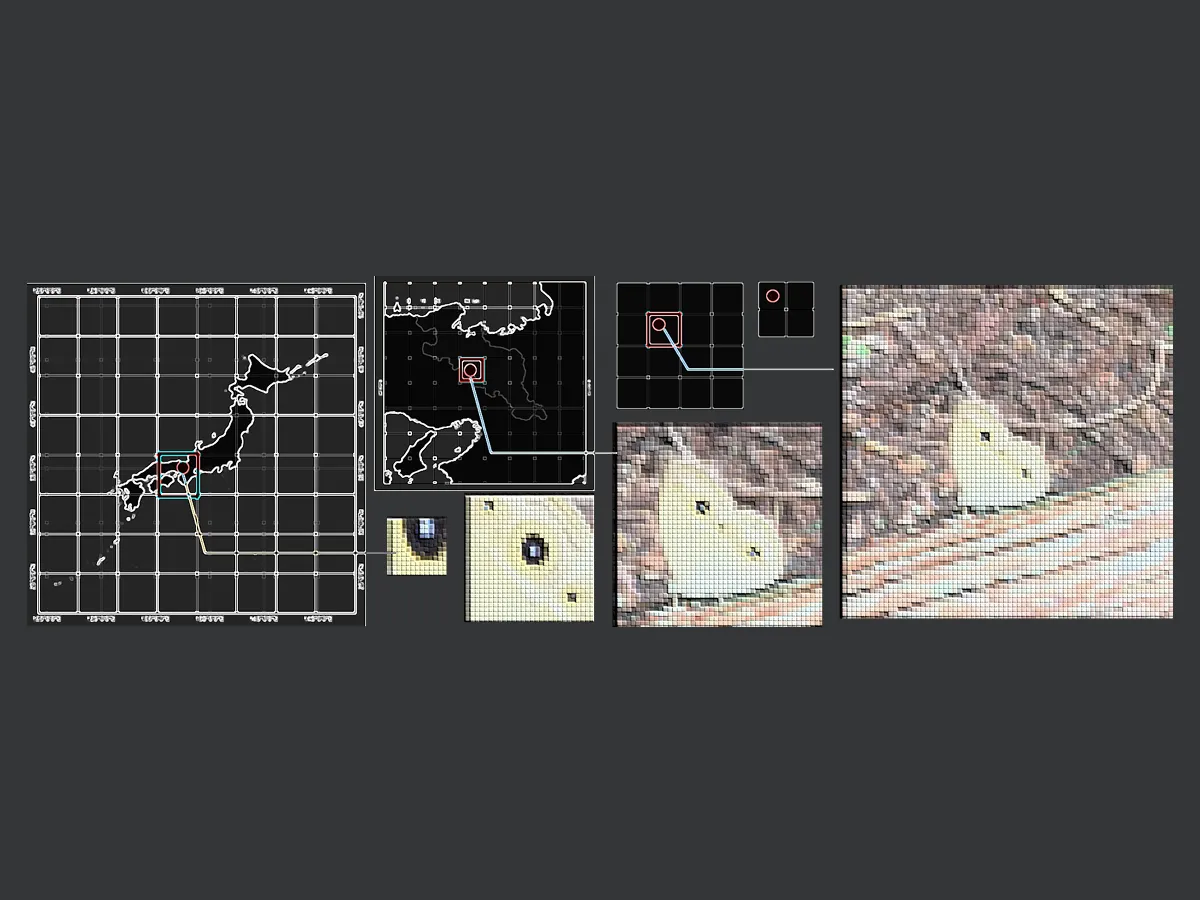
AI Algorithm Incorporating Ecological Niches
Our proprietary AI technology, for which we hold patents (Patent No. 6590417, US11,048,969), identifies species by considering their ecological niche (the ‘role’ and ‘place’ a species occupies within an ecosystem).
By accumulating information on ‘when, where, and what species are present’ along with identification results, we continuously improve the accuracy of our AI’s species identification. This technology enables the AI to identify biological species with high precision based on photographs and location information.
Combination with Open Data
In addition to collecting data through citizen science, Biome has continuously gathered open data from research institutions and other sources since its founding in 2017. It has become clear that adding citizen science data to open data significantly improves prediction accuracy. Therefore, we integrate reliable open data with biological observation data to perform more precise analyses.
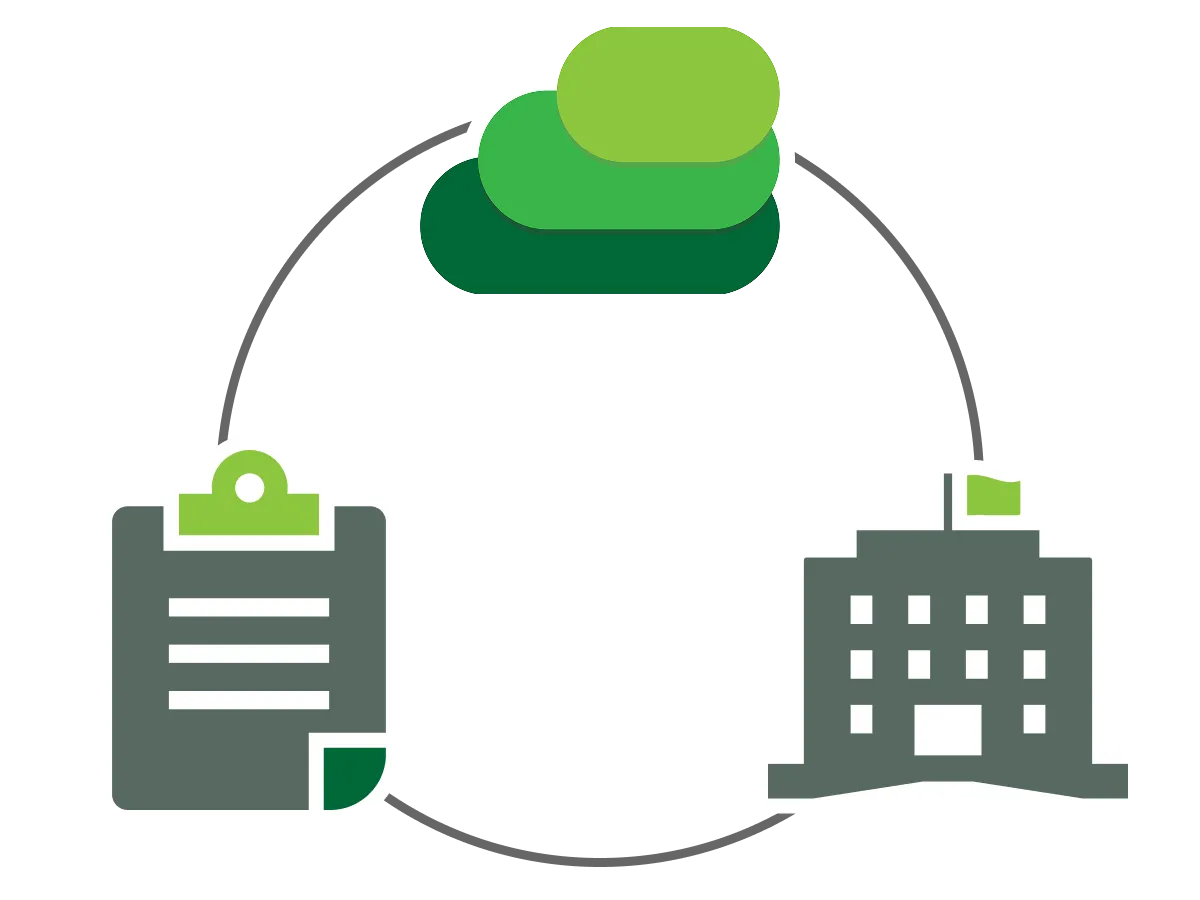
Integrating and Utilizing Posted, Survey, and Administrative Data for Analysis
BiomeDB is built by integrating citizen-submitted data, expert survey data, and open data from administrative bodies and research institutions, after organizing attributes such as date, time, location, species name, and observer.
As a dataset organized along spatial and temporal axes, it is utilized by companies and municipalities as quantitative evidence for the following purposes:
・TNFD alignment, natural capital risk and opportunity analysis
・Formulation of regional biodiversity strategies and policy evaluation
・Application for Nature Coexistence Sites
・Environmental impact assessments
Case Studies Using This Product
Related Services


Keywords
All Products